SubTag

A blog from Schubbe Resch Chiropractic and Physical Therapy.
Showing posts with label Foot Pain. Show all posts

Friday, July 21, 2017

What Is A Chiropractor?


A chiropractor is a health care professional focused on the diagnosis and treatment of neuro-muscular disorders, with and emphasis on treatment through manual adjustment and/or manipulation of the spine.
Most chiropractors seek to reduce pain and improve the functionality of patients as well as to educate them on how the can account for the own health exercise, ergonomics and other therapies to treat back pain.
Chiropractic is general categorized as alternative medicine or complementary medicine.


Chiropractors: fundamental beliefs and goals

Chiropractors focus on the intimate relationship between the nervous system and spine, and hold true the following beliefs
                     Bio mechanical and structural derangement of the pine can affect the nervous system
                     For many conditions chiropractic treatment can restore the structural integrity of the spine, reduce pressure on the sensitive neurological tissue and consequently improve the health of the individual.
 The treatment concept of chiropractic is to re-establish normal spinal mobility, which in turn alleviates the irritation to the spinal nerve and or re-establishes altered reflexes.

Conditions treated

Chiropractors use a variety of non-surgical treatments to treat patients with certain types of:
                     lower back and leg pain “sciatica”
                     neck pain
                     repetitive stains
                     headaches
                     sports injuries
                     arthritic pain

While primarily focusing on treating neuromusculoskeletal disorders, chiropractors are not exclusively limited to problems with the nervous system and musculoskeletal system.
When appropriate, chiropractors refer patients to medical doctors or other health practitioners for treatment of low back pain. Many chiropractors have a local referral network or work together with other spine specialist in a multidisciplinary or multi-specialty spine clinic.

Chiropractic Examination

In many regards, a chiropractic examination is very similar to standard examination procedures administered by all health care providers. With that said, how chiropractors examine the structure and function of the spine and then determine specific chiropractic care from other disciplines.

Chiropractic Exam of lower back pain

An initial chiropractic exam for back pain will typically have three parts: consultation, case history and physical examination. Laboratory analysis and x-ray examination may be performed.
Many chiropractors utilize a holistic bio-mechanical concept of treating the bipedal structure in its entirety, in an attempt to balance the structure from the feet upward.
                     Chiropractors are typically trained in multiple methods of assessing lower back pain, including:
evaluation and management services – chiropractors are trained in examine the joints, bones, muscles and tendons of the spine, head extremities and other areas of the body with the purpose of noting any misalignment, tenderness, asymmetry, defects or other problems.

                     Neurologic and other common physical examination procedures- chiropractors are trained to perform a variety of neurologic test (nerve root compression/tension, motor strength, coordination, deep tendon and pathological reflexes, etc) and are skilled in performing orthopedic, cardiovascular and many other common examinations.

                     Specialized assessment- chiropractors are trained to assess range of motion, stability, muscle strength, muscle tone and other assessments with the lower back


                     Common diagnostic studies – chiropractors are trained in use of diagnostic studies and tools such as radiography (x-rays), laboratory diagnostics and neurodiagnositics.

Monday, November 30, 2015

December Massage Specials

Be sure to take advantage of these specials offered in December!

Appleton Massage Offer:
1.       Purchase a massage gift certificate and your name will be entered in a drawing to win a Young Living bamboo diffuser and 2 bottles of essential oils.
2.       December only special – purchase 4 one hour massages for $180 (normally $60 per hour).  Massage includes hot stones, hot packs and aroma therapy.

Gift certificates and massage specials may be purchased by stopping in the Appleton Office or by calling Michelle Schreiber at 920-540-0807.  Michelle Schreiber operates a massage business in the Appleton Office but is not employed by Schubbe Resch.

Neenah Massage Offer:

$10 off a 60 minute massage December 1st – December 31st - Gift certificates available! 


Friday, September 25, 2015

Chiropractic Physicians Urge Conservative Treatments for Pain Amid Opioid Epidemic

During National Chiropractic Health Month (NCHM) this October, the American Chiropractic Association (ACA) will bring attention to the public health crisis caused by pain, and in particular the overuse of prescription painkillers, with the theme #PainFreeNation. The campaign is part of the chiropractic profession's ongoing efforts to educate the public about the value of exhausting conservative forms of care for both acute and chronic pain before resorting to higher risk options, such as opioids.
National Chiropractic Health Month is a nationwide observance that helps raise public awareness of the benefits of chiropractic services and the profession’s natural, whole-person, patient-centered approach to health and wellness. 
"Opioid medications involve the risk of overuse and addiction. Beyond this, prescription drugs that numb pain may convince a patient that a musculoskeletal condition is less severe than it is, or that it has healed. This misunderstanding can lead to overexertion and a delay in the healing process or even to permanent injury," explains ACA President Anthony Hamm, DC. 
President Hamm notes that people in pain should be informed of all management strategies, including non-drug approaches such as chiropractic, to reduce their risk of overuse and addiction. 
"Each patient is unique, and care plans should be tailored to focus on what is the safest, most effective treatment for the individual. Chiropractic physicians stand ready to work together with medical physicians to help address this epidemic that has caused unnecessary suffering, enormous loss of human potential and massive financial and personal costs," he adds.
Fortunately, health care quality organizations have begun to recognize the value of this conservative, multidisciplinary approach. Earlier this year, the Joint Commission, which certifies more than 20,000 health care organizations and programs in the United States, including every major hospital, revised its pain management standard to include chiropractic services and acupuncture. Clinical experts in pain management who provide input to the commission's standards affirmed that treatment strategies may consider both pharmacologic and nonpharmacologic approaches. 
For updates and more information on #PainFreeNation as October 2015 approaches, go to www.acatoday.org/NCHM and follow ACA on Twitter at@ACAtoday and on FacebookLinkedIn and Instagram.
The American Chiropractic Association based in Arlington, Va., is the largest professional association in the United States representing doctors of chiropractic. ACA promotes the highest standards of ethics and patient care, contributing to the health and well-being of millions of chiropractic patients. Visit www.acatoday.org.

Friday, October 4, 2013

Baseball Star Teixeira Uses Chiropractic, ART, and Graston to Stay in the Game

Yankee first baseman, Mark Teixeira, has a lingering calf injury.  He also has the goal of playing for 8 more seasons.  To reach that goal, he has committed to weekly, two hour sessions with Chiropractor Gil Chimes for chiropractic care and soft tissue work.  Chimes uses ART (Active Release Techniques) as well as Graston to help the calf muscle grow more supple to absorb and disperse force.  ART is a targeted deep muscle massage and Graston breaks up scar tissue.


To read more about this story, go to the April 2013 issue of Men's Journal.  Dr. Nathan Zachor is certified in ART and a number of our chiropractors are certified in the Graston Technique.  Please call our offices at 920-738-0200 (Appleton) or 920-720-0660 (Neenah) if you are interested in learning more.

Thursday, September 19, 2013

Lower Leg Pain Workshop Offered

“Prevention of Common Lower Leg Injuries through Strengthening Exercises”


Dr. Nathan Zachor will present a workshop on lower leg injuries on Thursday, October 17th from 5:30 to 6:15. If you suffer from hip pain, IT band pain, knee pain or swelling, shin pain, foot or arch pain, shin splints or plantar fasciitis, you will want to attend this short but informative workshop at our Appleton office.


Find out why common injuries to the lower leg occur from running, cross training, and work settings.  Understand if you have  poor movement patterns in the lower leg that are due to muscle weakness, imbalance or asymmetry, or pain using simple movement screening tests that one can perform at home.  Learn how you can be proactive by incorporating corrective exercises to avoid common lower leg injuries during running, cross training, or daily activities.  Learn additional self-care tips on footwear selection, myofascial release tools and techniques for at home use, and training tips to work through injuries until stability and good movement is achieved.

See our previous blog post "Preventing Common Lower Leg Injuries" for additional information.

The workshop will be presented at Schubbe Resch Chiropractic and PT at 2200 S. Kensington Dr in Appleton.  Register by calling 920-738-0200 or emailing patientservices@schubbeappleton.com.  There is no charge for this event.

Friday, September 13, 2013

Preventing Common Lower Leg Injuries

Preventing Common Lower Leg Injuries through Preventative Strengthening Exercises:

                As the Fox Cities Marathon draws near, your training program intensity is beginning to peak.  Longer training runs may cause overuse injuries from cumulative stress on your lower leg tissues.  Overuse injuries that are typical in the lower leg include hip strain,  IT band syndrome, inner and outer meniscus (cushion between the knees) swelling, inner knee ligament soreness, kneecap tracking problems, soft tissue pain and strain on the front or side of the shin bone, foot  and inner arch pain, Achilles tendon strain, and plantar fascia inflammation, pain, and thickening.  A common breakdown in alignment of the lower leg due to weakness in specific muscles leads to many of the overuse injuries indicated above. 

                A good test to see if one’s lower leg alignment is normal is to perform a single leg squat in front of a full-length mirror.  If your hips are not level or if your knee caves inward of your second toe, then your muscles are probably not maintaining proper alignment.  This may suggest your outer hip stabilizing muscles are weak or fatigued.  If you see your foot arch falling during a single leg squat, then your front shin muscles are likely weak or fatigued.  Another common finding is that your knee may extend forward beyond your toes, which commonly suggests weakness and tightness in the posterior gluteal region. 

                See the following YouTube links for exercises to counteract these muscle weaknesses, improve your lower leg stability and alignment, and to prevent and stay injury free.  Try to perform the exercises below for 2-3 sets, 10 repetitions per set, 3-4 times per week for a minimum of 12 weeks .  Good luck everyone as you train and race this fall! 


              Buttock Strengthening video

About the author of this article:

                Dr. Nathan Zachor, DC is a chiropractic provider at Schubbe Resch Chiropractic and Physical Therapy in Appleton.  He is board certified in both functional rehabilitation and chiropractic.  Dr. Zachor is certified in multiple soft tissue techniques to treat athletic injuries including Active Release Technique (ART), Graston Technique (GT), Kinesiotaping Technique (CKTP), and Cold Laser Therapy.  He may be reached at Nathan.zachor@schubbeappleton.com or 920-738-0200 for any additional questions or concerns you may have related to the content of the above article.

Monday, April 15, 2013

New to Exercise Workshop

Join Dr. Nathan Zachor, Dr. Laura Kemps, and our physical therapists on Thursday, May 16th for a workshop designed for those new to exercise or exercising again after a prolonged time off.


Dr. Nathan Zachor will discuss Functional Movement Screening and explain how it can be used to determine your potential areas of injury before you resume an exercise routine.  Once deficiencies are identified, specific exercises can be prescribed to correct imbalances and avoid injury.

Dr. Laura Kemps will explain what BMI is as well Metabolic Syndrome and what they mean to your health. She will offer nutritional advice to help you eat better, feel better, and lose weight.

Our physical therapists will explain how much and what cardio you need in your exercise plan, show you some exercises you can do at home with minimal equipment, and offer exercise tips.  Participants will all leave with a home exercise program.

Get off the couch and back into life!  Register for this free workshop by calling 920-738-0200, or by emailing patientservices@schubbeappleton.com

Workshop is Thursday, May 16th from 6:00 to 7:00, and open to all, whether current patients of Schubbe Resch or not!  Location is 2200 S. Kensington Dr in Appleton.

Friday, March 22, 2013


Common Marathon Training Injuries and Their Treatments - By Dr. John Schubbe and Kari Resch P.T.

The training for and actual running of a marathon puts a lot of stress on your body.  Although many people are able to complete these activities with few or no injuries, not everyone is so lucky. We’ve listed the most common injuries below and the treatments we would recommend at our offices.

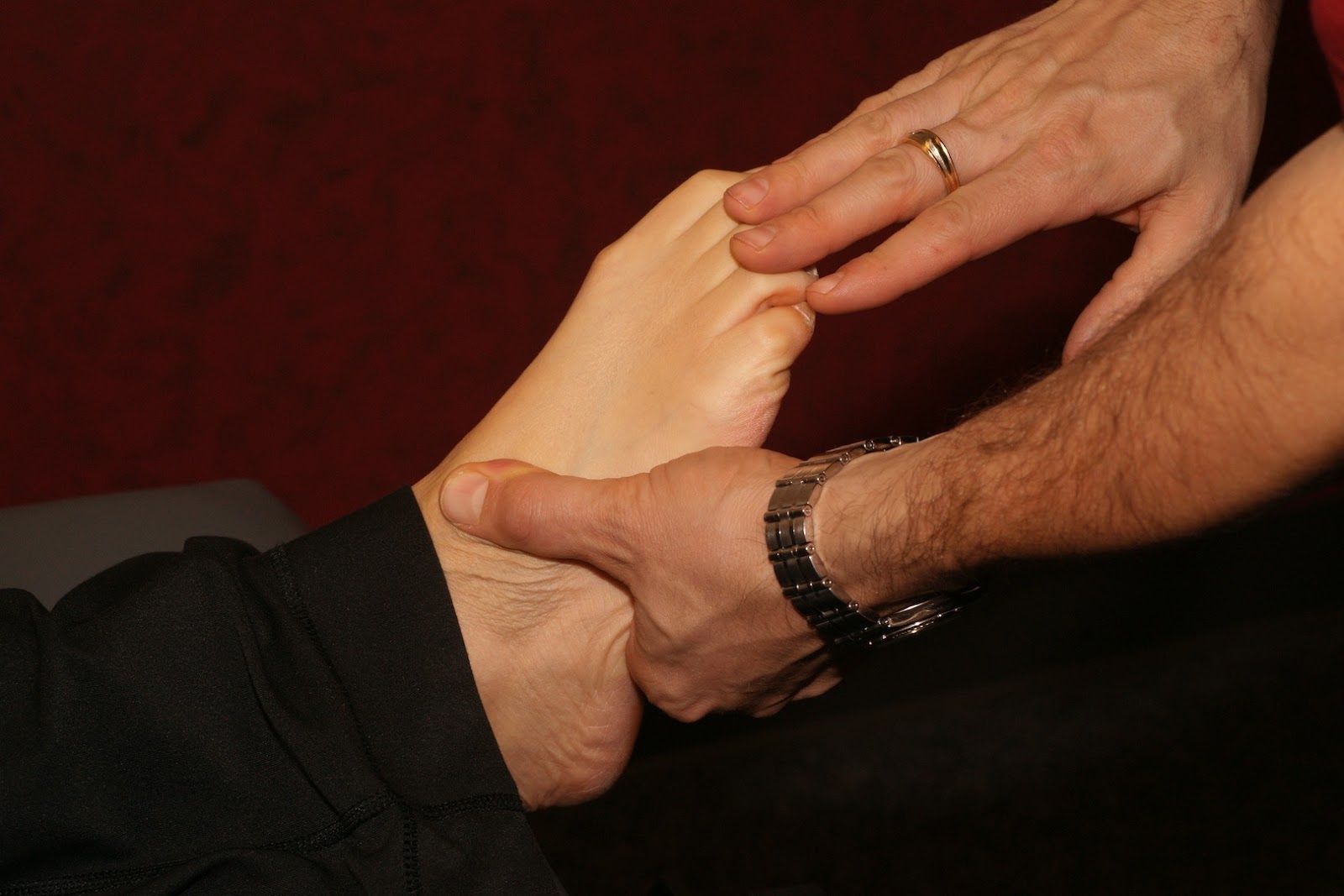
Active Release Technique


Achilles Tendonitis is an inflammation of the Achilles tendon.  It is one of the more common injuries for the runner, and in most cases is caused by excessive training over an extended period of time.
Recommended Treatment –  Achilles Tendonitis can be treated with calf/Achilles stretching, rest, ice, supportive shoe wear, Kinesio Taping, Graston Technique , orthotics, Balance training, ankle/hip strengthening, and ice massage.

Chondromalcia or Runner’s Knee is a running injury where the cartilage underneath the kneecap starts to soften and break down.

Recommended Treatment –We start by addressing strength deficits and flexibility of the hip and thigh musculature.  It is best at first to avoid high impact exercise as well as kneeling and squatting.  Icing is recommended along with low resistance exercise such as stationary bicycling, pool running, or swimming (flutter kick).  Evaluation of foot wear is essential, and a patellar tracking brace is often helpful.  Finally strengthening and stretching of the quadriceps and hamstring muscle groups is critical for an effective and lasting rehabilitation of chondral malacia patella. Kinesio Taping can also provide relief.

Plantar Fasciitis is an inflammation of the plantar fascia – a thick, fibrous band that runs along the bottom of the foot.  Inflammation can be caused by direct injury or by repeated trauma.

Recommended Treatment – Typical treatment of plantar fasciitis includes calf/Achilles stretching, arch stretching/strengthening, orthotics, Graston Technique, Kinesio Taping, Ultrasound, ankle/hip strengthening, balance training, and ice massage

Iliotibial Band Syndrome The IT Band is a thick tendon that runs down the outside of the thigh and inserts just below the knee.  When the IT Band becomes tight, it pulls the knee joint out of alignment which results in inflammation and pain.

Recommended Treatment – Iliotibial band syndrome is most accurately treated by addressing strength and flexibility imbalances.  We evaluate training errors, improper foot wear, hyperpronation, muscle imbalances and lack of flexibility.  The main focus of this rehabilitation and prevention should be increasing the elasticity of the iliotibial band and restoring the strength of the gluteus medius muscle.  Stretching is usually prescribed, but the IT band, as well as the deep lateral rotators of the hip should be loosened up by deep tissue massage.

Shin Splints is a specific condition called Medial Tibial Stress Syndrome (MTSS). When the muscles that are attached to the tibia and fibula bones are overworked, they pull on the bones and cause pain.
Recommended Treatment – Shin splints can be treated using supportive shoe wear, orthotics, Kinesio Taping, rest, hip/ankle strengthening, balance training, and ice massage.

Any of the above injuries can be treated by one of our chiropractors or physical therapists, or a combination of the two.  Call one of our offices to schedule an appointment to keep you running strong!

Monday, November 12, 2012

NEW! Technique Demos at Fleet Feet Sports of the Fox Valley


Dr. Nathan Zachor will be providing Active Release Technique (ART), Kinesio Taping, Graston, and Functional Movement Screens (FMS) demonstrations at Fleet Feet Sports of the Fox Valley, 3404 W. College Avenue, Appleton.    The first one is scheduled for Thursday, November 29th from 5-7 pm.  Subsequent demos will be held the 4th Thursday of each month from 5-7 pm.

Call the store at (920) 830-7867 to schedule your FREE 15 minute assessment.


Friday, July 20, 2012

ART Workshop Tuesday, August 7th at 5:30 pm

Dr. Nathan Zachor will hold an ART (Active Release Technique) workshop at our Appleton office on Tuesday, August 7th at 5:30 pm.  Please call our office at 920-738-0200 to register or send email to patientservices@schubbeappleton.com.  Class participants should wear comfortable athletic clothing as Dr. Nathan will be demonstrating on volunteers!

ART is a patented, state of the art soft tissue system/movement based massage technique that treats problems with muscles, tendons, ligaments, fascia and nerves. Headaches, back pain, carpal tunnel syndrome, shin splints, shoulder pain, sciatica, plantar fasciitis, knee problems, and tennis elbow are just a few of the many conditions that can be resolved quickly and permanently with ART. These conditions all have one important thing in common: they are often a result of overused muscles.
For more information, visit the ART website at http://www.activerelease.com.

Friday, June 29, 2012

Moszkitos Sandals

We all love to shed our typical socks and shoes in the summer and slip into summer sandals.  The problem is, sandals usually do not have very good arch support.  But we have found a product that addresses that need perfectly.  Moszkitos are flip-flops with arch support!  The sandals come in variety of styles for both men and women with a contoured footbed that looks great and feels even better.  Moszkito sandals are available at both our Appleton and Neenah offices.  Stop in to see what we have available.

Wearing sandals with the proper arch support helps your lower back, your hips, your knees, and your feet.  And, you won't get yelled at by your chiropractor for wearing flip flops!

Friday, April 15, 2011

Plantar Fasciitis

Plantar fasciitis is an inflammation caused by excessive stretching of the plantar fascia (the tissue that extends the entire length of the bottom of the foot).  Heel pain is a common condition in which weight bearing on the heel causes extreme discomfort. Plantar tendonosis is an adhesion or thickening in the plantar fascia caused by repetitive micro tears in the plantar fascia.


Plantar fasciitis or tendonosis may be caused by the following:
  • Additional or excessive weight on the foot
  • Wearing shoes without any arch support or proper arch support
  • A foot with an unusually high arch
  • A sudden increase in physical activity
Symptoms usually consist of pain near the inside of the foot where the heel and arch meet.  The pain is often worse first thing in the morning, or after a rest, because the plantar fascia contracts back to its original shape when you are resting.  As the day progresses and the plantar fascia stretches, the pain often subsides or significantly reduces.

The key for proper treatment of plantar fasciitis or tendonosis is determining what is causing the excessive strain and stretching of the plantar fasciitis.  Often changing your footwear is the first step towards recovery.  You can also follow these recommendations:
  • Don't go barefoot
  • Stretch your foot before getting out of bed or before standing .
  • Ice your heels (or the painful area) 2-3 times a day to reduce inflammation
  • Maintain a healthy weight
  • Avoid running on hard or uneven ground.
  • Wear shoes with proper arch support and shock absorption
  • If none of the above tips work, see our clinicians for evaluation using Graston Technique or Active Release Technique to assess whether the heel or arch pain is related to a relative thickening or scarring called tendonosis. Generally, this is present if pain is chronic or not relieved with ice therapy or ibuprofen.
Plantar fasciitis is one of the most commonly diagnosed foot ailments.  Please contact us to see how we can treat your symptoms and help you avoid further pain.